How this started
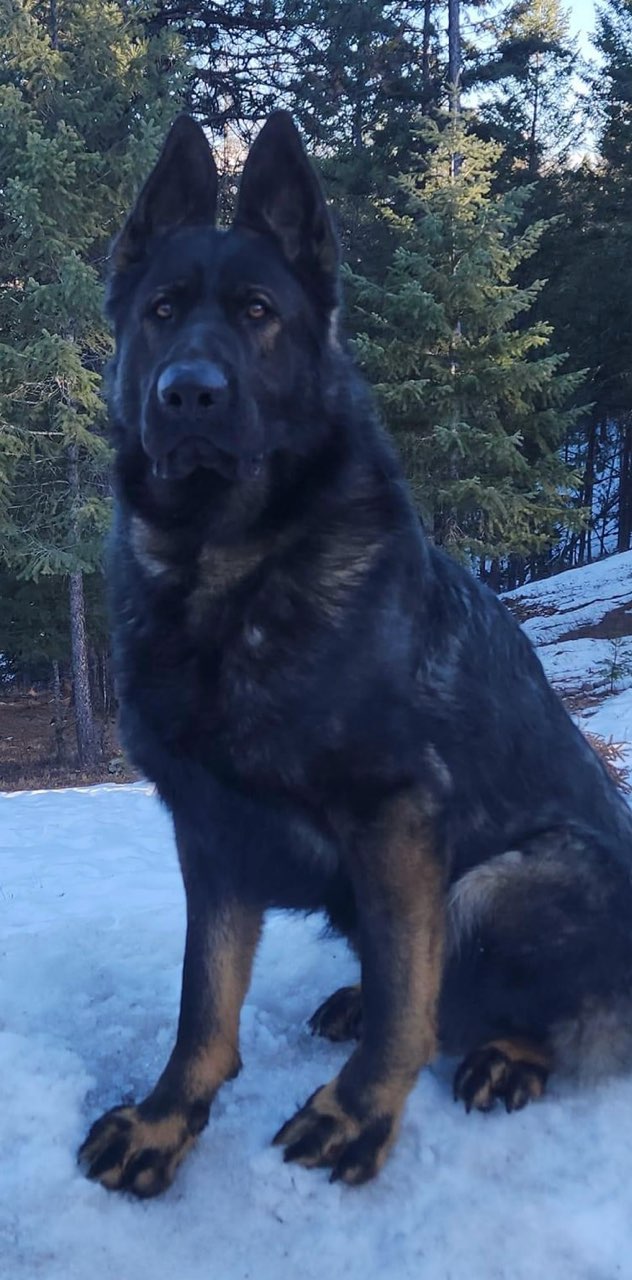
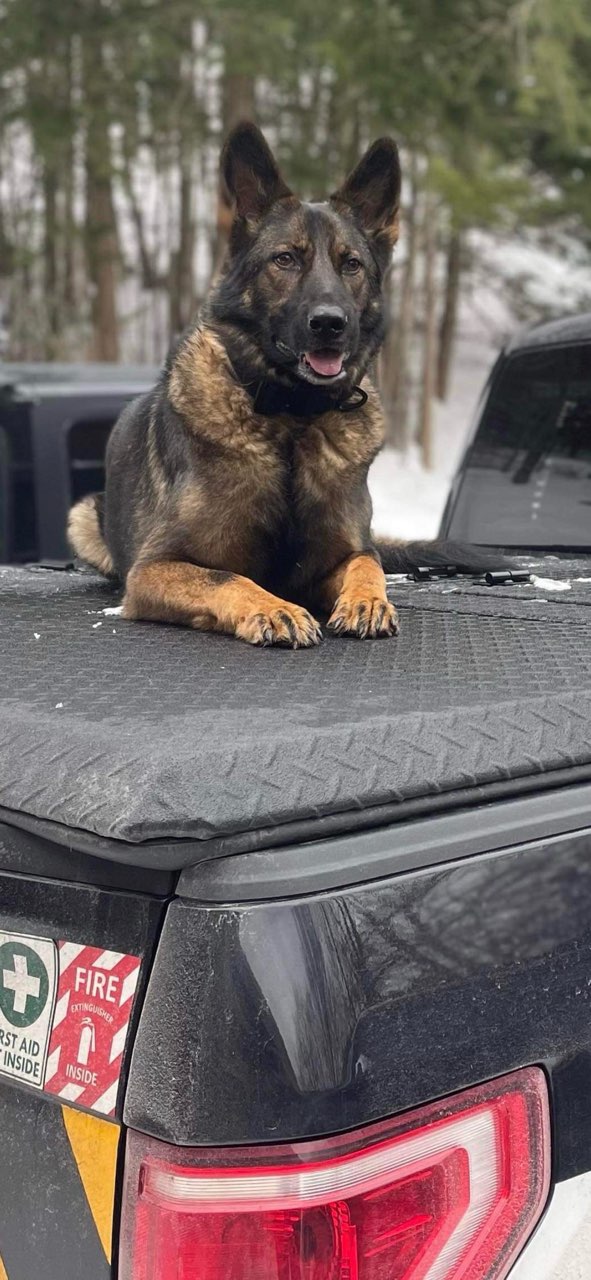
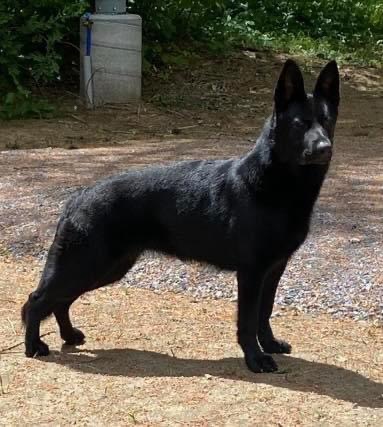
In the early 1980s, after finishing paramedic school, our goal was to find a German Shepherd suited for real work—search and rescue, not just the show ring. We joined a Schutzhund club, went through a trial period with different lines, and ultimately landed on what became our lifelong focus: East German (DDR) dogs.
Why DDR
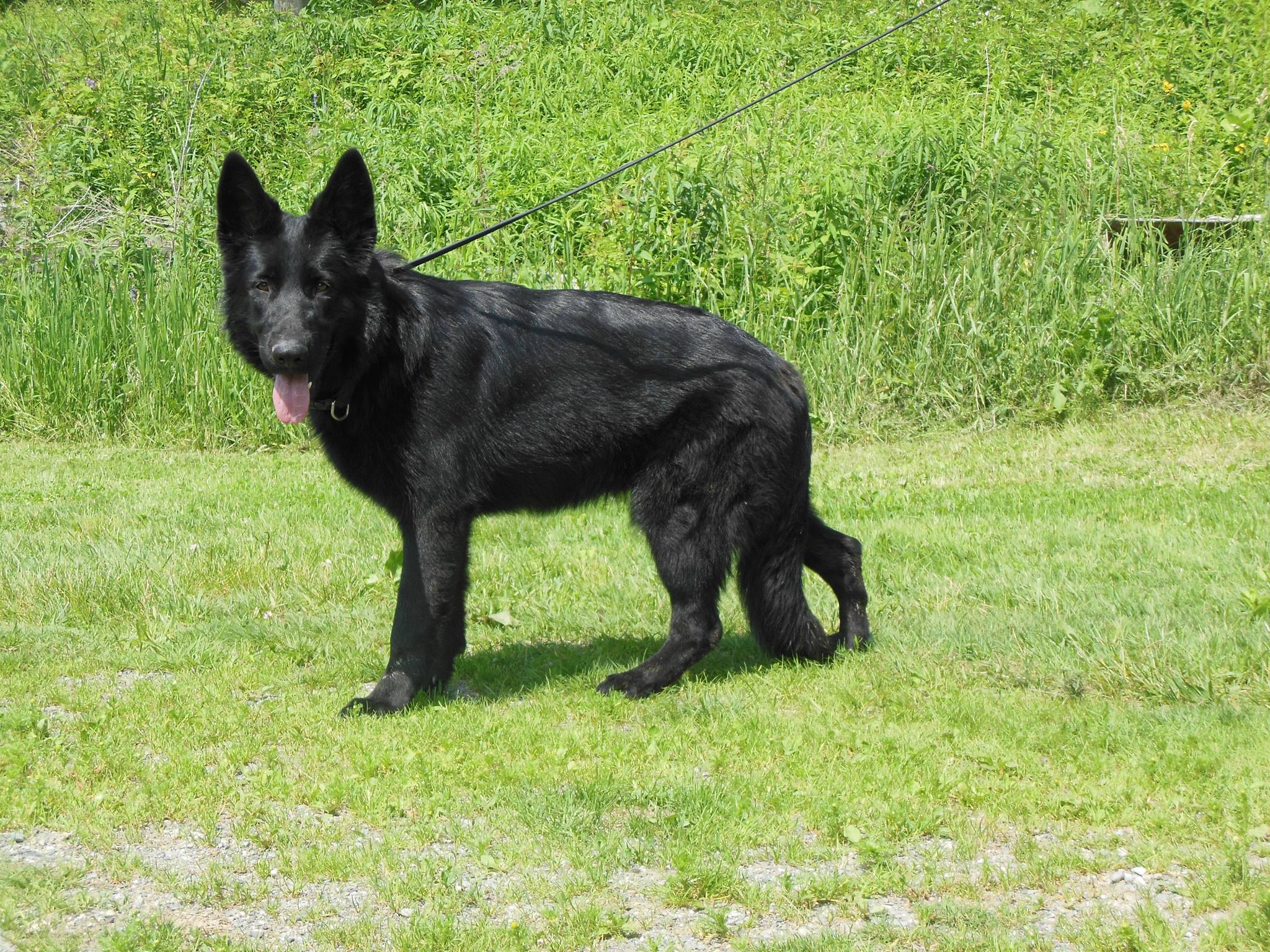
The dog we imported surprised everyone. He worked as long as there was work to do—strong, steady, and intensely loyal. Over time, we found ourselves drawn to the DDR dog’s work ethic, physical strength, appearance, and “joy of life.” That’s what we breed for today.
Our criteria is strict
- Family‑worthy first: we won’t breed a dog we wouldn’t live with ourselves.
- Great nerve strength: calm, stable dogs that handle real environments.
- Work ethic: dogs that stay engaged and try hard when asked.
- Health standards: screened and selected with long-term soundness in mind.
Nerve strength matters
In demanding work—search, service, and real-world deployments—dogs encounter environments you can’t fully “train” for. We prioritize genetics and selection for steadiness: dogs that can ride in a truck with other dogs, fly, climb, jump, and work in chaotic settings while still staying connected to their handler. That steadiness also translates into exceptional family dogs: attentive, perceptive, and a joy to live with.
Real working & service homes
Konigsdorf dogs do a wide range of jobs: search work, diabetic alert, seizure alert, and more. One dog even specializes in detecting tree nuts in food to protect a child with severe allergies. Our goal is to produce dogs with nerves of steel that can go anywhere—confident in public and steady in the home.
Health testing
- We use Embark screening as part of our toolkit
- Hip & elbow X‑rays are part of our selection process
- We breed with long-term soundness and longevity in mind
Feeding philosophy (what we do)
We strongly prefer a raw-style diet. Our view is that dogs thrive on fresh, species-appropriate foods rather than being limited to ultra-processed kibble.
- We focus on consumable bones (for example, poultry bones—not weight-bearing cow leg bones).
- Adults commonly do well on simple, consistent proteins; puppies start on ground meats and transition as they mature.
- We avoid unnecessary supplementation unless directed by a veterinarian.
Puppy selection, visits, and deposits
Puppies change dramatically between birth and 6–7 weeks. Temperament and individual traits begin to show more clearly around 5–6 weeks, so choosing too early is usually inadvisable.
We also take biosecurity seriously. Parvo can travel on shoes and clothing. Because our puppies go to homes across the U.S., we generally avoid early visits until puppies are older and have started vaccinations.
How deposits work
- Deposits are taken once pregnancy is confirmed and/or once puppies arrive and we know sexes/colors
- Puppies are chosen in the order deposits are received
- Puppies are typically $2,800–$3,500 (depends on pairing/placement)
- $500 discount for first responders, veterans, law enforcement, and RNs
- If we feel a puppy is unsuitable for your family, we can refund your deposit or help you choose a more suitable puppy
- Videos are provided so families can follow along
- Deposits may be moved to a future litter when possible
When you come to pick up your puppy, if you don’t feel it’s the right fit, we’ll talk through options. We care about long-term placement and want you to feel good about your decision.
A look at our dogs
.jpg)
.JPG)
.JPG)
.JPG)
.JPG)